Retro Funny Pet Quote SVG Stay Pawsitive
First Impressions: A Playful, Punchy Vibe That Lands Right
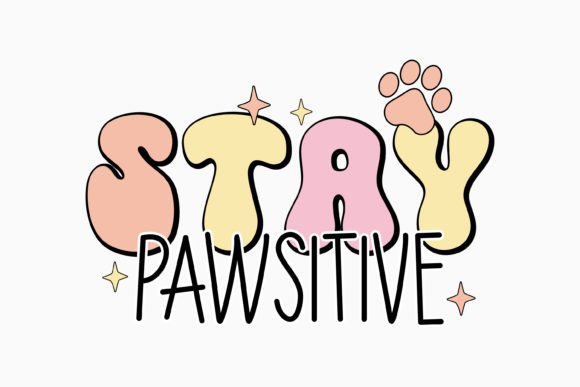
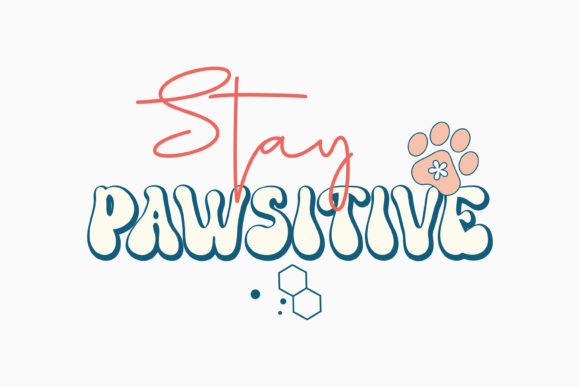
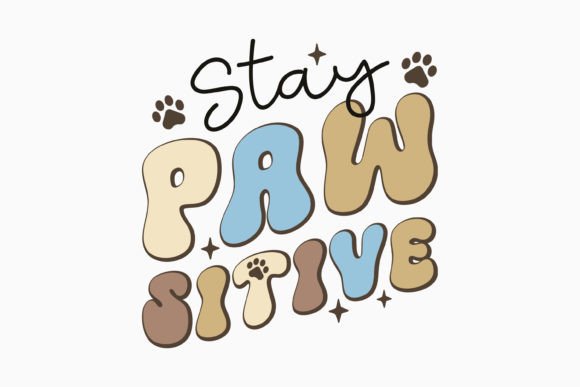
Opening Retro Funny Pet Quote SVG Stay Pawsitive feels like flipping through a vintage pet magazine—warm, slightly tongue-in-cheek, and instantly recognizable. The layout leans into bold retro typography with rounded edges, subtle shadowing, and that unmistakable “vintage sign” energy. It’s not overly detailed or ornate; instead, it relies on confident letterforms and smart negative space to carry the message. “Stay Pawsitive” is the kind of phrase that makes people pause, smile, and maybe snap a photo—perfect for a handmade tote bag heading to a dog park or a cozy sweatshirt worn by a cat-loving barista.
How It Stitches Up: Clarity, Charm, and Commercial Sense
I tested Retro Funny Pet Quote SVG Stay Pawsitive on a mid-weight cotton twill tote and a lightweight organic cotton baby onesie—and the results held up beautifully in both cases. On the tote, the design stitched cleanly with minimal underlay and no thread nesting. The letterforms stayed crisp, even at 3.5 inches wide, and the retro weight translated well into satin stitch outlines and balanced fill areas. On the onesie, I used a lightweight tear-away stabilizer and reduced density slightly—still legible, still charming, and soft enough for baby skin.
This isn’t a dense, high-stitch-count machine embroidery design. It’s built for readability and charm over complexity—making it ideal for custom apparel, embroidered patches, tea towels, and nursery decor. As an Etsy seller, I’d confidently list it as a ready-to-embroider digital embroidery file for sweatshirt embroidery, personalized gifts, or small shop merchandise. Its simplicity also means it scales well: shrink it for a cap front (with minor spacing tweaks), enlarge it for a pillow cover, or mirror it for a reversible apron.
Where It Shines—and Where to Pause
Retro Funny Pet Quote SVG Stay Pawsitive excels on stable, medium-weight fabrics: canvas, denim, cotton poplin, and fleece. It holds its shape on curved surfaces like caps when hooped carefully and stabilized with a cut-away backing. For holiday embroidery or wedding gifts—think embroidered kitchen towels or linen napkins—it adds personality without overwhelming the item.
That said, use caution on ultra-thin or highly stretchy fabric (like jersey or ribbed knit) without proper stabilization and test stitching. Tiny corners—especially where letters like “P” and “S” curve—can show slight feathering if stitch density isn’t adjusted. And while the design is labeled “100 Color Changeable,” remember: color changes in embroidery mean thread changes. If you’re planning a multi-color version for a boutique product, factor in time and thread cost—not just visual impact.
Real Project Moment: A Boutique Tote Bag Launch
Last month, I used Retro Funny Pet Quote SVG Stay Pawsitive for a limited-run batch of embroidered canvas totes for a local pet rescue fundraiser. We offered two versions: black thread on natural canvas (clean and classic), and mustard thread on navy (retro-pop). Customers loved the contrast—especially how the phrase read clearly from across the room. No one mistook “Pawsitive” for “Positive.” No reworks. Just consistent, professional-looking finished product.
That reliability matters. When your craft business depends on repeat buyers and Instagram tags, clarity and consistency aren’t optional—they’re part of your brand voice. This design delivers that.
Design Assets That Support Your Workflow—Not Slow It Down
The inclusion of both EPS and SVG files is a quiet win. SVG works seamlessly in most embroidery digitizing software for quick resizing and color swaps; EPS gives vector fidelity for print mockups or branding extensions. And yes—it’s truly “ready to print”: clean paths, no stray anchor points, no embedded raster elements. As a designer, that saves hours of cleanup before converting to an embroidery file.
“1 Possible and easy change color” means what it says: one solid fill layer, no gradients or transparency traps. That translates directly to smoother stitching, fewer thread breaks, and faster hooping. For small shop owners juggling orders, that efficiency compounds fast.
Practical Notes Every Embroidery Designer Should Check
- Test first: Run a sample on scrap fabric matching your final product’s weight and texture.
- Check contrast: View your thread colors against light and dark fabric backgrounds—what reads on white may vanish on charcoal.
- Review stitch density: Especially for baby embroidery or delicate items, reduce fill density by 10–15% if needed.
- Confirm hoop size: Measure the design’s widest point and compare it to your standard hoop dimensions before committing.
- Inspect fine details: Zoom in on curves and inner corners—some vector sharpness doesn’t always translate to clean satin stitch.
- Mock it in black and white: Helps spot unintended visual weight imbalances before stitching.
- Stabilizer choice matters: Use cut-away for knits, tear-away for stable wovens, and fusible for lightweight linens.
- Licensing check: Since this is a digital embroidery file sold for Crafts and Graphics, confirm whether commercial use is permitted before selling finished embroidered products or reselling the design assets.
Final Thought: A Design That Works as Hard as You Do
Retro Funny Pet Quote SVG Stay Pawsitive isn’t flashy—but it’s dependable. It doesn’t ask for special treatment, extra steps, or expensive hardware. It asks for thoughtful execution, and rewards it with charm, clarity, and customer smiles. Whether you’re an embroidery designer prepping client work, an Etsy seller building seasonal listings, or a hobbyist making personalized gifts, this is the kind of design that quietly lifts your whole output. It fits the moment, supports your process, and stays true to the handmade product ethos—without shouting about it.